 Queberry
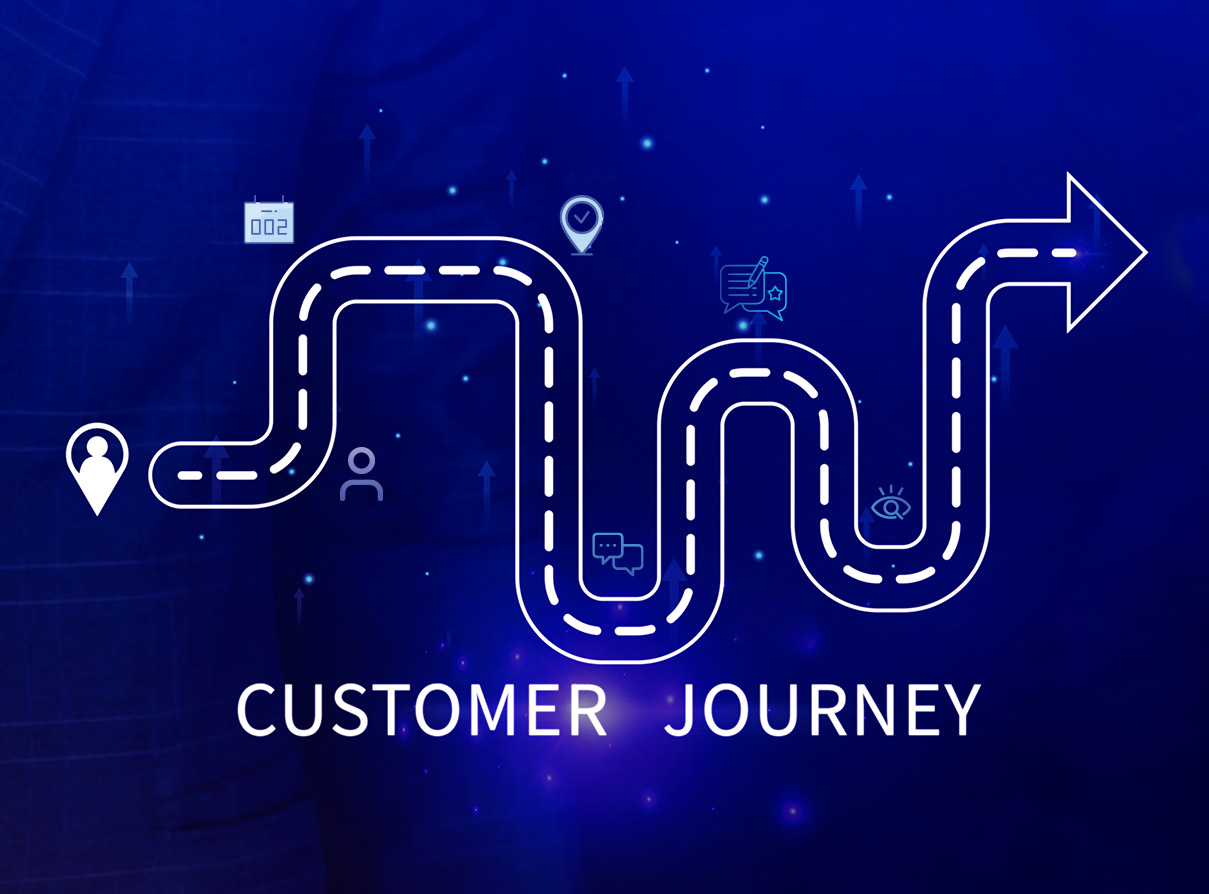
A customer journey map is a strategic tool deployed for visualizing the entire experience that a consumer goes through while interacting with a particular brand. The experience relates to each touch point, right from the discovery phase and culminates into a customer's purchase and loyalty for a given brand. A journey map, unlike a traditional sales funnel, is designed to focus on specific needs and expectations from a customer's point of view.
For businesses, this is essentially a blueprint for how to design service. It can help companies identify how well their processes are flowing or where obstacles such as lengthy waiting lines or disorienting signage may be turning potential customers away.
Customer Journey Map Objectives
The core purpose of customer journey mapping is to translate abstract customer insights into concrete improvements in service. Having pre-defined objectives lets businesses ensure their mapping creates real, actionable results:
- Eliminate Service Friction: This means identifying and removing those "bottlenecks" in the flow of customers whether a physical queue or digital delay-and speeding them along for a faster, more pleasurable experience.
- Orchestrate business operations: align every department in creating the overall story of the customer, from marketing to front-line service staff.
- Predicting Customer Needs: This might mean trying to guess what a customer will want at certain times during their journey so they can proactively serve rather than solve problems in retrospect.
- Customer Lifetime Value Optimization: Improvement in the experience at the critical "moments of truth" allows for higher retention rates and more return visits to take place.
- Data-Driven Decision Making: Step away from making guesses regarding where best to upgrade services in an effort to maximize customer satisfaction. Use the map to prioritize which service upgrades will have the biggest impact on customer satisfaction.
Why Journey Mapping is Essential
In the competitive environment of today, not only do you need to provide the product, but you also need to provide the experience. For some types of industries, where there are a large number of people to be managed, the waiting phase becomes the most critical phase of the experience.
An effective Customer Journey Map can show the ways in which a well-designed "smart" system, such as virtual queuing or appointment systems, can turn a potentially frustrating interaction into a smooth, professional exchange.
Essential Components of an Effective Map
To make a growth-driving map, you should concentrate on the following core elements:
1. Customer Personas
Clearly define the customer taking the journey. The requirements for a first-time visitor differ considerably from a repeat visitor, a returning VIP.
2. Touchpoint Inventory
Identify all the points where the customer "touches" your brand, including social media, the website, the entry points, and the service counters, among others.
3. The Emotional Arc
Think about how the customer feels throughout an interaction. Do they feel stressed waiting to be served? Do they feel relief once they are served? Do they feel excited?
4. Operational Barriers
Determine if there are internal mechanisms or systems that may be making it more difficult than it should be.
Conclusion
So, what does all this mean for your business long term? A Customer Journey Map isn't something you undertake as a one-off exercise: it's an essential element in really being customer-centric, i.e., the difference between hoping your customers are happy and knowing you've done everything you can to make sure they are.
By investing the time to understand where they're coming from, you're not only solving the issue, but also helping to build trust and brand loyalty. When customers see themselves as understood, valued, and respected, especially with regard to something like waiting around, they aren't just customers, they're brand ambassadors. They'll choose you, recommend you, and excuse the occasional mistake because they know you're really trying to give them the best experience possible.
Of course, perhaps the most profound knowledge you can gain about your business is that of seeing your business through the eyes of your customers. That's what it takes to begin seeing beyond the assumptions, innovations, and customer experiences that not only meet your expectations but go above and beyond to delight, to bring people back again and again, to turn encounters into relationships that matter.
