 Queberry
Telecom Service Centers and Queue Chaos: How to Fix It in 2026
Introduction: Why Queue Chaos Kills CX in Telecommunications
In today's highly connected world, telecommunications providers are expected to deliver fast, smooth, and personalized customer experiences. But the irony is that the first thing customers often face in a service center is a long, disorganized queue.
Whether it's a prepaid SIM activation, an internet issue, or mobile service support, telecom centers handle thousands of customer interactions every day. In 2026, inefficient queuing processes are no longer just impractical — they're a serious business liability.
This blog reveals the real causes of queue chaos in telecom service centers and explores practical, technology-driven solutions to create a smooth, smart service environment.
Root Causes of Chaos in Telecom Service Centers
Telecom service centers experience heavy visitor traffic and complex service requests, but most still rely on manual or semi-digital processes. This results in:
- • Overcrowding during peak hours – Without queue control systems, walk-ins pile up, causing long waits and poor service flow.
- • No pre-booking system – Customers can't schedule visits in advance, leading to unexpected rushes and planning conflicts.
- • Zero real-time visibility – Neither customers nor employees know who's next, how long it will take, or how many are waiting.
- • Uneven load distribution – Some counters handle long queues while others stay idle due to inefficient task allocation.
- • Customer dropouts due to frustration – Bad experiences lead to walkouts, negative feedback, and long-lasting brand damage.
Result: Disorganized queues, stressed staff, and unhappy customers.
The Real Cost of Poor Queue Management
Unorganized queues do more than annoy customers — they damage profitability and brand reputation. Here's how:
- • Declining Net Promoter Score (NPS)
- • Reduced footfall due to negative word-of-mouth and online reviews
- • Higher customer churn, especially in competitive markets
- • Wasted employee time managing queues manually
- • Increased service delays and operational costs
In a competitive telecom industry, where switching providers is just one click away, long waits can cost you loyal customers.
Smart Solutions: Queue Management System (QMS)
In 2026, forward-thinking telecom providers are adopting smart, AI-powered Queue Management Systems (QMS) to take control.
A modern QMS doesn't just manage queues — it transforms the customer experience by:
- • Issuing automatic tickets via kiosks, mobile apps, or QR code check-ins
- • Offering real-time updates to manage walk-ins efficiently
- • Sending notifications through SMS or WhatsApp to reduce idle waiting
- • Using AI to route customers to the most qualified agents
- • Providing data insights to optimize staff and customer flow
Think of it as traffic control for your customer service ecosystem — predictive, intelligent, and effective.
Key Features of a Telecom QMS in 2026
1. Mobile and WhatsApp Queuing
Let customers join queues remotely via app, web, or WhatsApp to reduce on-site congestion.
2. Estimated Waiting Time Display
Set clear expectations with digital displays and countdowns in the app to reduce anxiety and complaints.
3. AI-Powered Routing
Automatically assign customers to agents based on service type, complexity, or priority level.
4. Appointment + Walk-in Hybrid System
Combine online scheduling and walk-in flexibility for smoother operations.
5. Analytics and Reporting Dashboard
Track real-time data such as average wait times, staff utilization, and customer satisfaction.
What's New in 2026: Trends to Watch
- • Multilingual, voice-free check-in
- • CRM integration with Salesforce, Zendesk, and Oracle for personalized service
- • AI chatbots for pre-queue triage to handle simple inquiries before customers reach counters
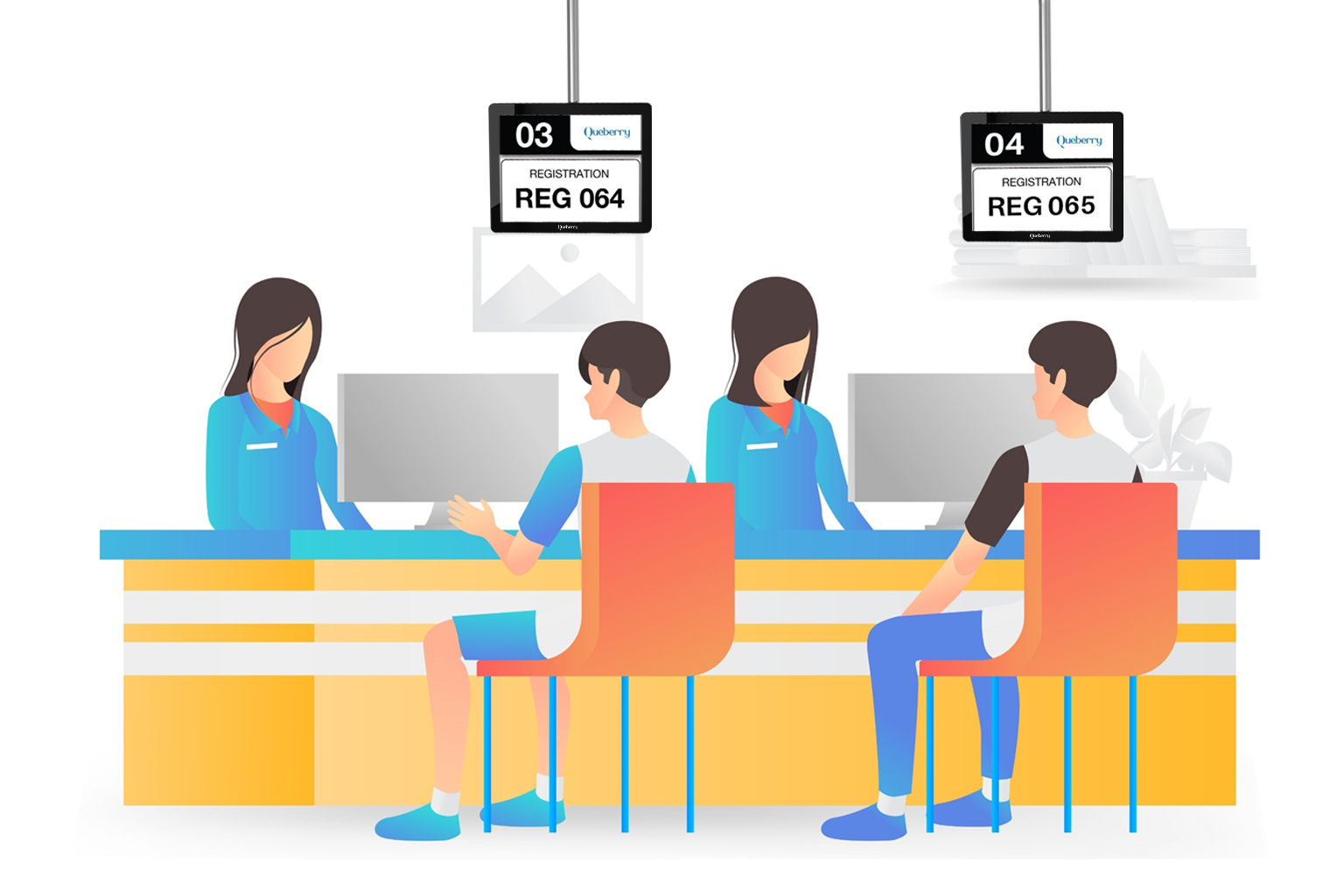
- • Digital signage displaying queue info and promotional content
- • Verification through biometric or OTP at kiosks
Conclusion: From Chaos to Control
In 2026, telecom companies can't treat queue management as an afterthought. A well-designed queue system doesn't just reduce waiting times — it builds customer loyalty, supports staff, and drives long-term growth.
It's not just about shorter lines — it's about creating a smart, efficient, and connected service experience.
